 |
| Dance exercises |
Dance your way:
It may get monotonous running on the treadmill for hours, here we have an entire range of weight loss activities at your rescue.
Dance exercises like Zumba, Cardio Hip Hop and even Belly Dancing can melt your flab and help you get in shape.
 |
| Kick Boxing |
Learn and lose:
Self-defense workouts such as Kick Boxing and Martial arts are also every effective, especially when your aim is to tone your body.
 |
| Dairy products |
Don't cut on dairy products:
Though vegan-ism is in vogue but studies suggest that protein content in dairy products keep you full for a longer time thus less likely to snack on calories.
Spoil yourself:
Yes, you heard us right. While restricting yourself is the right way, but one day in a week is good to indulge yourself in delicacies which are otherwise banned.
Liquids and water: An absolute necessity when it comes to weight loss – water. This zero calorie refreshing drink can burn your calories better than anything else. One glass of luke warm water after dinner can work wonders.
NOTE : Also try it with lemon and honey early in the morning.
Shop till you drop: As ridiculous as it may sound, a study has proved that an average woman burns 48,000 calories in a year by just shopping! So What are you waiting for? Go grab your shopping bags now.
Dance your way:
It may get monotonous running on the treadmill for hours, here we have
an entire range of weight loss activities at your rescue. Dance
exercises like Zumba, Cardio Hip Hop and even Belly Dancing can melt
your flab and help you get in shape - See more at:
http://www.indianexpress.com/picture-gallery/6-easy-ways-to-lose-weight-without-hitting-the-gym/2426-1.html#sthash.pvtOXFsQ.dpuf
It’s a known fact that eating slowly has many health benefits. Digestion
begins in the mouth and when you eat slowly food is chewed properly
into tiny bits for an easy passage through the digestive system. It
gives your stomach a head start and sufficient warning to gear itself up
for its functions and better chances of absorbing the food. These are
some of the basic facts which though we know, we don’t usually follow
for reasons best known to us.
When you wolf down your meal, say in five minutes, then discomforts like
flatulence, heartburn, burps and belches overpower you quickly. Instead
take twenty minutes to eat the same food and your stomach shall have an
easier time.
Besides these there are more important reasons to eat slowly which many
maybe unaware of. The most important of them all is that slow eating can
result in weight loss. Eat slowly and lose weight. In today’s health
conscious world this bit of weight loss wisdom if widely known and
understood can surely be the biggest motivation and impetus to eat
leisurely.
But how does eating unhurriedly result in shedding fat? Do we consume
far less calories if we eat slowly? “Eating slowly can surely make you lose weight. One should make it a
habit. For it has been observed that it takes around fifteen to twenty
minutes for your belly to tell your brain, ‘I am full’. When we eat fast
and gulp down the food by the time our brain finally gets a chance to
tell us it’s enough we are not just full but stuffed and bloated. If we
eat slowly we have time to realize that our tummy is full and stop on
time.”
An unhealthy practice eating fast is not just common but also considered
normal by a vast majority. For many eat fast more out of habit than
hurry. Others who eat fast when tense or upset also eat up their
emotions adding to their stress. But beware, for it is said our stomach
is like a balloon. It can expand to fill a meal fit for a regiment.
Dieticians, who recommend twenty minutes a meal, advise one to take a
few deep breaths before a meal to instil a better sense of awareness to
control rushed eating. Time honoured traditions, now extinct, of saying
grace or offering a silent prayer of gratitude before eating, sure had
its significance.
Chewing with your mouth closed is not just a matter of etiquette. It
also prevents sucking in air that may trigger embarrassing wind during
unexpected moments.
For all you fast eaters, eating slowly and chewing thoroughly can take
some time getting used to. But practise it to make it a habit, for it is
one of the best nutrition tips. Remember there is no emergency. Relax,
eat slowly. It’s not your last supper.
A Second Look at Stress

"It's probably just stress." How many times have you
heard those words from your doctor -- or uttered them yourself -- as you
complained about the latest ache in your shoulder or pain in your
stomach? Before you write it off as just stress, think again. Stress
isn't something to be ignored. It's a whole-body experience that, if
left unchecked and untreated, can make you old before your time. No body
part is spared. From your brain and heart to your muscles and immune
system, stress can affect every part of you, leaving you vulnerable to
pain, illness, and disease. Stress-related complaints account for at
least three-quarters of office visits to doctors, and more than 40
percent of all adults suffer health problems as a result of stress. But
research shows that stress affects men and women differently -- not just
physically, but in the way they cope with it. A poll by the American
Academy of Family Physicians, based in Leawood, Kansas, showed that 42
percent of women regularly fail to manage their stress, compared with 31
percent of men.
So why don't we take stress more seriously? Probably because
people think of stress as an emotional state. They don't realize that
this emotional response triggers a cascade of physical changes. Of
course, a little stress isn't always bad. The pressure of a job deadline
can inspire a burst of creativity; the adrenaline triggered during an
emergency can help us think clearly and act quickly. But the daily,
unrelenting stress that many people experience -- bills, work, unruly
kids -- can be remarkably hard on the body. When daily life means your
internal stress switch gets stuck in the "on" position, stress can start
to take an exacting toll on virtually every body part.

If you're a human mammal, however, stress comes from something more
insidious than a toothy predator: anxiety triggered by the
passive-aggressive boss, the 30-year mortgage, and the job of caring for
children as well as the ill parent. It's not just high blood pressure or heart attacks. Stress can
give you headaches, back pain, indigestion, depression, diabetes, and
sleep problems. Stress can make you fat, cause your hair to fall out,
and ruin your sex life. It wears on your heart, your memory, and your
immune system, and may even give a boost to those rogue cells that can
eventually lead to cancer.
It's impossible to predict exactly how stress will take its toll
and where you will feel it most.
Some people tense up and feel aches in
their muscles; others get headaches or tightness in the chest. How your
body responds to stress is determined by genetics, your lifestyle, and
even your earliest life experiences (childhood trauma and emotional
distress can make you more vulnerable to stress as an adult). Whether
you have power and control at work, close friendships and a good
marriage also play a role.
Visible physical reactions are only the most obvious signs.
Inside the body, stress triggers changes that can take years to show up.
"Stress definitely takes a quiet toll,"
The Early-Aging Effect

That toll can make your body age more
quickly than it should. Increasingly, medical researchers are viewing
our ability to cope with stress as one of the most important factors for
predicting how well the heart, brain, and other organs withstand wear
and tear. Nuns who have demonstrated optimism, a positive
attitude, adaptability, and a sense of humor all have aged better than
nuns without those personality traits. The women have led remarkably
similar lives -- eating the same foods, living in the same places, and
interacting with the same people. The more positive nuns
may have developed more effective coping strategies that stressed their
bodies less, allowing them to lead more energetic lives -- and to live
more than 10 years longer. But just because you're feeling stressed out now doesn't mean
you're destined for premature aging. Understanding the stress effect
gives you more opportunities to manage it before it does any real harm.
And because stress affects so much of the body, there's a big payoff
once you learn how to deal with it.
The Right Way to Manage Stress
Most of us just treat the
symptoms -- taking an aspirin for a headache or a sleep aid for insomnia
-- without focusing on the underlying cause. And even when we do try to
relieve the source of our stress, it's usually too little too late:
taking a weekend off or squeezing in a brief vacation. What you need is a
whole-body approach, but it has to be the right approach, one that has
an impact on your actual, everyday life.
Think of it this way: One week away won't help your stress the
other 51 weeks a year. Stress is in your life every day, doing its
damage. Stress management works only if you make it a daily part of your
health routine, like brushing your teeth and getting enough sleep. The
best starting point is to take care of yourself. Get used to the idea
that everyday stress is inevitable and what matters is how you respond
to it. Part of that is mental -- you need to be on top of how you
respond to the stressors life hits you with. The rest is physical. A
healthy body can weather the ravages of stress better than an unhealthy
one. Stress-proof your body by eating the right foods, getting enough
sleep, and exercising. Some strategies that can help:
- Pay attention to your aches and pains. They're
early warning signs. One of the first places stress shows up is in the
shoulders and the back of the head. That telltale tightness is your body
telling you to take action and find an outlet for your stress before it
has time to do even more damage.
- Stay close to friends and family. Stress releases oxytocin,
the bonding hormone that's also produced when mothers breastfeed their
babies. (Men produce this hormone, too, but while a woman's estrogen
enhances the effects of oxytocin, a man's testosterone inhibits it.)
Stress causes the release of this "tend and befriend" hormone --
triggering a desire to pull children and friends close. This closeness
in turn releases more oxytocin, which actually helps dampen stress
hormones. In fact, studies show that breast-cancer patients who join
support groups have lower levels of stress hormones. Therefore, when
you're stressed out, use women's secret weapon against stress: Call your
mom, call a friend, or have some fun with your kids. Stress levels drop
when you like the company you're keeping.

- Choose the right exercise. The body's stress response
evolved to help us fight off a threat or run away from danger. Under
stress your body sends a spurt of glucose to your muscles to give you a
burst of speed and strength. There's also a shutdown mechanism: Once you
actually escaped from a predator, you would stop running. Your body
would interpret that as "the threat is gone" and shut down the stress
response.
- That's why exercise still helps relieve stress. First exercising -- then
stopping -- mimics this energy spurt/shutdown reaction. Your body
doesn't know that the stress you're trying to escape is an annoying boss
or a family crisis. It just processes the fact that you've responded,
then relaxed. It doesn't take much. A quick walk, 10 minutes on the
treadmill, or a game of tug with the family beagle usually is enough to
release your stress and turn down the stress response.

Make sure you pick an exercise you like. If you loathe slogging away on a
treadmill, the activity may actually add to your stress. Something to
think about as you devise your mini-escape from the rat race: In actual
rodent studies, animals forced to exercise show a surge in stress
hormones, while rodents allowed to trot freely on the exercise wheel
when they want to have lower levels of stress hormones.- Try to gain a sense of control over something. Workers who
have little control over their day have more workplace stress than
managers with power. While you may not be able to change your job, it
still helps to find control where you can. Volunteer for projects at
work that interest you. Restore order to a messy kitchen drawer.
- Laugh it up. You wouldn't think that time in front of the
tube would do much for your health, but studies show that half an hour
to an hour of nightly television comedy can be a medical plus.
In an Indiana study, women cancer patients had lower stress hormones and higher natural "killer" cell
activity (killer cells attack viruses and cancers) Laughter pushes cortisol levels down and
increases killer cell levels. The immune-boosting effects of laughter lasted as long as 12 hour.
In another study, diabetic patients who had suffered a heart attack were
"prescribed" a nightly 30-minute regimen of TV comedy. After a year
they showed drops in blood pressure, used less medication for chest
pain, and had 80 percent fewer heart attacks than a control group that
didn't regularly watch funny television.
- Cuddle your kids. This will make you feel better, but
that's not all. It's stress innoculation. Whether a child grows up in a
stable, loving home or a stressful environment has a huge impact on his
or her ability to cope with stress as an adult.
- If self-help doesn't help, consult a professional. Though
no one can eliminate everything that stresses her, you can try to
control the emotional reactions that turn on your stress response. It's
not easy, needless to say. Some people benefit from therapy that teaches
stress-coping skills. Learning meditation is another way to build
calmness into your life. Ask your primary care doctor for advice on
finding experts who can help.
Stress Stop: Your Heart
Stress Response 1: Rapid
release of glucose and fatty acids into the bloodstream gives you a
burst of energy. But if your muscles don't use that glucose to run from
danger, chronic stress can leave you with blood sugar levels that are
elevated or fluctuating out of control.
Damage Alert
- Blood sugar swings can leave you tired and worsen diabetes, if you have it.
- High bloodstream levels of glucose and fatty acids also increase the risk of cardiovascular disease.
- Stress prompts the body to release cortisol, which makes the
arteries more vulnerable to the buildup of cholesterol. This may explain
why some studies have found a link between stress and high cholesterol.
- There's growing evidence that stress increases the risk of
developing metabolic syndrome, a cluster of conditions that include
collecting fat around the waistline, high blood sugar, high blood
pressure, and high triglyceride levels. Possible result: cardiovascular
disease.
Stress Response2: An increase in heart rate,
blood pressure, and breathing delivers more oxygen faster throughout
your body. These physiological changes help your body react with
strength and stamina during an emergency.
Damage Alert
- Chronic stress can mean lasting high blood pressure and a
lot more wear and tear on the heart. One study showed that male
government workers in London with stressful jobs for more than 14 years
were almost twice as likely to have high blood pressure, high
cholesterol, and insulin intolerance compared with workers who weren't
exposed to stress. The most stressed-out workers? Those with demanding
jobs who had very little control over how they spent their day.
- Even short-term, intense stress poses a risk. Short-term deadline pressure are at
six times higher risk of heart attack in the following 24 hours.
Stress Stop: Your Immune System
Stress Response:
Stress hormones help shut down body functions that aren't needed in an
emergency, including your immune system. An alternative theory proposes
that your immune system first goes into overdrive, then shuts down. The body essentially turns off its long-term building
"projects" so it can put all its energy and resources into dealing with
the immediate crisis.
Damage Alert
- Ideally, these functions are shut down just long enough
for you to get out of immediate danger. When the stress hormones keep
coming, your immune response and other functions suffer.
- When researchers injected a cold virus into 394 volunteers, those
who reported having very little stress in their lives had such
supercharged immune systems that they were half as likely to get sick as
volunteers who described having high stress levels.
-
Stress Stop: Your Waistline
Stress Response: There's
growing evidence that chronic stress can make you thick around the
middle -- both heavier in general and more likely to accumulate
dangerous abdominal fat. The stress hormone cortisol causes fat to be
stored around the abdomen. Stress hormones also play a role in certain
medical conditions that cause weight gain, such as night-eating syndrome
(binge eating in the middle of the night). However, short-term
overeating may result in a temporary lowering of stress hormones.
Damage Alert
The stress response of accumulating fat at the abdomen, rather than
at the hips, is linked to heart disease. A women who
stored fat at the waist to pear-shaped women who stored fat at the hips
found that women with abdominal fat consistently secreted more cortisol
in response to stressful lab tasks than women with hip fat.
The above study also suggests that women who tend to accumulate
abdominal fat should make an extra effort to manage stress since their
body shape shows that their physical response to it is stronger.
Stress-induced weight gain takes a significant long-term toll on
the body and adds to your overall stress load. Animal research suggests
that stress may trigger the brain's reward center, causing us to seek
out better-tasting "comfort foods" -- and that the weight we gain eating
them may cause stress hormones to drop. This information comes from a
series of studies in which stressed-out rats posted higher levels of
corticosterone (the rat equivalent of cortisol), ate more and got fatter
around the belly. But then something surprising happened. Once the rats
started getting fat, their stress hormone levels dropped. The results
suggest that overeating may be a coping mechanism to help lower the
body's stress level, The problem is that even though the eating makes you feel
better and appears to solve the cortisol problem, being overweight is
itself a form of stress on the body.

The theme of this year’s World Heart Day, ‘Cardiovascular disease prevention among women and children,’ indicates a paradigm shift in the focus from adults to children. This is a result of the global realisation that the war against the leading killer, atherosclerosis and coronary artery disease, can be won only if remedial measures are initiated from childhood.
Obesity is a result of energy intake exceeding energy expenditure, leading to excessive fat deposition in the body. The excess fat and cholesterol commonly get deposited inside the arteries, resulting in a hardening of the arterial vessel wall. This is called atherosclerosis. The fat deposits inside the vessel are called plaques and the increase in size over a period of time, causing a progressive blockage to blood flow. When the blockage is significant, it will lead to a heart attack.
Recent data from the Centers for Disease Control and Prevention in the United States of America have established that 35.7% of adults and 16.9% of children are obese. Other studies show that at least 70% of these obese adolescents grow up to be obese adults. Once obesity is established in adulthood, it will be extremely difficult to reverse it. This is the rationale for shifting the focus on controlling obesity in children as well as inculcating lifestyle modifications, which in turn will produce a generation of adults free of the early onset of cardiovascular disease and contribute to a healthy society.
Childhood obesity is caused by multiple factors. The predominant cause is an unhealthy dietary habit compounded by a sedentary lifestyle. Other causes include intake of medications such as steroids, some medical conditions such as hypothyroidism and genetic factors. It has been found that if one parent is obese, the chances of obesity in the child are 50%, whereas if both parents are obese, it is nearly 80%. Children whose family members are overweight or have hypercholesterolaemia or a history of cardiovascular disease under 55 years are considered high risk for the early onset of coronary artery disease and should be screened periodically beyond two years of age with a fasting lipid profile.
The lipid profile values for children are:
Total Cholesterol >170mg/dl (Borderline), >200mg/dl (Elevated)
LDL >110 mg/dl (Borderline), >130 mg/dl (Elevated)
HDL <35 mg/d
TGL >150 mg/dl (Elevated)
If the average results of three lipid profile results are above the cut-off values, then intervention will be required in the form of dietary and lifestyle modifications. Medications to reduce cholesterol is indicated when the LDL exceeds 160mg/dl with associated high risks or when it is > 190mg/dl.
In the absence of a medical cause, childhood obesity can be managed only by a strict diet and exercise regimen. This includes avoiding fatty foods and snacks, binge eating, watching television while eating; eating slowly, increasing outdoor physical activities and, if necessary, taking the help of a dietician or psychiatric counsellor.
If you sleep only for five to six hours, it is bound to affect your work negatively. Experts recommend eight hours of sleep for ideal health and productivity.
Researchers at Brigham and Women’s Hospital (BWH), a teaching affiliate of Harvard Medical School, have found that regardless of how tired you think you are, lack of sleep can influence the way you do certain tasks.
“Our team decided to look at how sleep might affect complex visual search tasks because they are common in safety-sensitive activities such as air-traffic control, baggage screening and monitoring power plants,”
“These types of jobs involve processes that require repeated, quick memory encoding and retrieval of visual information, in combination with decision making about the information,” .
Researchers collected and analyzed data from visual search tasks from a group of participants over one month’s study. In the first week, all participants were scheduled to sleep 10-12 hours per night to make sure they were well rested.
For the following three weeks, the participants were scheduled to sleep the equivalent of 5.6 hours per night and also had their sleep times scheduled on a 28-hour cycle, mirroring chronic jet lag.
The research team gave the participants computer tests that involved visual search tasks and recorded how quickly the participants could find important information, and also how accurate they were.
The longer the participants were awake, the more slowly they identified the important information in the test, the team observed.
Additionally, during the biological night time, 12 a.m. to 6 a.m., participants (who were unaware of the time throughout the study) performed the tasks more slowly than they did during the daytime.
Every food has its own nutritional and theraputic value.Here are list of
foods,which are effective in controlling various diseaes.
Acidity: Grapefruit, Coconut, Groundnut, honey
Arthritis: Apple, Banana, Mango, Cucumber, Garlic
Asthma: Garlic
Cancer: Carrot, Garlic, Lime, Lemon
Cholera: Bitter Gourd (Karela), Coconut water, Cucumber, Onions
Cold and cough: Garlic, Ginger, Lime and Lemon
Constipation:
Almonds, cabbage, carrot, cucumber, lime, lettuce, banana, beetroot,
corn, cucumber, dates, figs, raisins, soyabeans, spinach, whole wheat
(bread, pudding)
Diabetes: Bengal gram, Bitter gourd
(Karela), fenugreek (methi seeds), grapefruit, amla, groundnuts,
jambufruit (jamun), rajmah, lime, lettuce, mango leaves, soyabeans
Dysentry: Banana, carrot, garlic, groundnuts, amla, rose apple, jamun, mango seeds, anar
Heart Disease: cabbage, carrot, honey, apple, asparagus, garlic, onions, oranges, grapes, grapefruit, amla, lime, lemon, raisins
High Blood Pressure: apple, banana, garlic, lemon, lime, oats, raisins, soya beans, sunflower seeds
High Cholesterol: apple, curry patta, garlic, grapefruit, lime, lemons, oats, raisins, soyabeans, sunflower seeds,
High Blood sugar: Bitter melon (karela), fenugreek (methi seeds)
Impotency: almonds, black gram (Urad dal)
Intestinal worms: carrot, freshly ground coconut papaya, tomatoes, anar
Jaundice: radish, sugarcane
Kidney stones: apple, tomatoes
Peptic Ulcers: Lime
Piles: Beetroot, bitter gourd, figs, rose apple, jamun, onions, radish, lime, pigeon pea,
Pimples: cucumber juice (apply on face), lime, lemon
Teeth & Gum problems: Lime, fresh groundnut, apple, onions, anar, spinach
Whooping cough: garlic, onion
Here is a list of best superfoods for guaranteed weight loss that will set your weight straight. Take an inspiration and go on to achieve that ‘dream figure’.
OatsYes, oats work wonder as they contain high quantity of fiber. Consuming a bowl of oats in breakfast keeps you full throughout the day and help boost metabolism thereby burning fat.
AvocadoesIf you are trying to lose weight, this nutritional fruit can actually help you a lot. It contains ample amount of fiber that gives a feeling of fullness, so that one can stay satisfied with food for longer and proper digestion can also take place.
EggsFor those who want to lose weight, eggs are the best way to start your day. Studies suggest that eggs contain an ingredient that can help to cut down calories consumed during each meal.
Dark chocolatesGone are the days when you used to think that chocolates were major reasons in weight gain. Good news is that dark chocolates can actually aid in weight loss as they contain high quality cocoa powder which is rich in antioxidants and thereby helps in slimming.
SalmonSalmon is an effective diet when it comes to weight loss as despite having fairly high fat content, it contains healthy omega-3 essential fatty acids that serve as a good weight-loss tool. It is a better option than read meat any day.
BroccoliThough it is mostly known for its cancer fighting ability, but since it contains a high quantity of fiber, it also prevents weight gain. It also helps in lowering of cholesterol thereby boosting your heart’s health.
Brown riceIf losing weight is your motto for this year, try brown rice. It is a superfood that is low in calorie but has high fiber content; it keeps you full throughout the day thereby serving the purpose of weight loss.
WineYes, now drink wine for not just good health but also to stay thin. Researchers suggest that light-to-moderate intake of wine protects against weight gain.
Green TeaGreen tea is an excellent food for weight loss as it contains an ingredient called polyphenols that helps in dissolution of triglycerides which are deposited in our body. Not just this, it also boosts endurance level of a person which means one can exercise for long thereby aiding in weight loss.
Oranges
And last but certainly not the least is the mighty food namely orange that too helps in aiding weight loss as it contains large amount of fiber and Vitamin C that boosts metabolism and helps in weight reduction.
Diabetes is a condition in which the blood sugar or
glucose present in the blood rises abnormally. This disease is caused
when the pancreas do not produce enough insulin or the body stops
responding to insulin. Insulin is a hormone which is required for the
absorption of glucose by the cells in the blood. It is best to observe
some simple precautions to effectively curb this disease:
1. Get Some Exercise
A good physical workout can help you prevent diabetes in many ways. Regular exercise helps you maintain a healthy body mass index (BMI)
and also lowers your blood sugar. Exercise can also increase the
sensitivity towards insulin. Aerobics and resistance training are some
of the exercises especially helpful in preventing diabetes.
2. Increase Your Fibre Intake
Foods with high fibre content like apples, bananas, nuts, seeds and
beans can significantly cut down the risk of diabetes. Fibre rich foods
can also help lose weight by giving you a feeling of fullness.
3. Cut Down on Sugar
Intake of junk food which is high on processed sugars, salt and fat
should be kept to the minimum. Home-cooked meals rich in vegetables and
whole grains can help you lead a healthy life.
4. Quit Smoking
The risk of developing diabetes is double in smokers than non-smokers. Quitting smoking will not only decrease your risk of diabetes, but of many other diseases as well.
5. Cut Down on Alcohol
Binging on alcohol can lead to increase in body weight as well as blood
pressure and triglyceride levels. Limit your alcohol intake to a
maximum of two drinks a day.
6. Balanced Diet
You can easily curb the risk of diabetes if you provide optimum
nutrition to your body. A balanced diet is one of the classic and best
ways to control your blood sugar and also your risk of diabetes.
7. Choose Good Fats
Polyunsaturated fats are regarded as good fats as they can help in
lowering the risk of diabetes. These types of fats can be found in
vegetable oils and oil from nuts and seeds.
8. Get Frequent Check-ups
Early detection of diabetes is one of the best ways to effectively
prevent it from getting worse. Get your blood sugar levels tested every
three months so that you can take extra precautions if chances of
diabetes surface.
Type 2 diabetes is a result of sedentary lifestyle and a bad diet. If you follow a simplistic lifestyle which incorporates exercise and a balanced diet, then you can easily stay away from this disease.
Drug major Cipla, which
revolutionized the treatment of HIV, is now turning its focus on
another killer disease - cancer. On Thursday, the company slashed prices
of three life-saving cancer drugs by 50-64%, a move that may trigger a
price war or sorts in the industry.
Domestic companies including Sun Pharma and Natco which market similar cancer drugs will be forced to have a re-look at their prices, industry experts say.
The price reduction is on three additional anti-cancer drugs -
Erlotinib (Erlocip), Docetaxel (Docetax) and Capecitabine (Capegard) -
for the treatment of lung and pancreatic,, breast cancer, head and neck,
gastric cancer, bladder, colorectal and colon cancers.
The biggest reduction of 64% is on lung cancer drug, Erlocip, which would now cost Rs 9,900 for a 30-tablet strip as against Rs 27,000 earlier, while breast cancer treatment Docetax would be priced Rs 1,650 instead of Rs 3,300, Cipla said on Thursday.
In 2001, Cipla had revolutionized the treatment for HIV by introducing
the first triple once-a-day drug cocktail in Africa at less than a
dollar a day ($350 a year) as against the MNC price of over $10,000 for a
year's treatment.
"Continuing its contribution towards affordable and accessible treatment for patients, Cipla extends the work done in HIV/AIDS and malaria to now include cancer, not only in India but globally,"
The huge drug reduction comes in the wake of Cipla's victory against drug MNC Roche
in a patent infringement case on cancer drug Tarceva, which Cipla sells
in its version 'Erlocip'. Industry experts of Cipla's move will
trigger a re-evaluation of portfolio and prices in the oncology segment
for all companies in the over Rs 1,500 space.
Interestingly, Cipla has not only taken head-on drug MNCs like Pfizer, Bayer
and Roche by challenging their intellectual property (patents) over the
years, but is also giving competition to domestic players in the
branded generics market. It may not trigger a price war but definitely
there will be some changes.
The price cuts follow similar
reductions of up to 76% announced in May by Cipla in three major
anti-cancer drugs. The first salvo in the cancer drug market this year
was fired when Natco received the country's first compulsory licence to
sell generic version of Nexavar at Rs 8,880 for a monthly dose, as
against Bayer's price of Rs 2.85 lakh for a month.
Those who drink in moderation are more likely to recover from the illness than those who abstain.
But the findings are somewhat unexpected because drinking alcohol is considered to be one of the leading causes of breast cancer among healthy women.
One explanation is that the chemicals in alcohol which damage healthy cells also have the same effect on cancerous cells.
There are currently no specific guidelines for breast cancer patients on alcohol consumption, but healthy women are advised to drink no more than 14 units a week.
Many women with cancer stop drinking in the hope it will boost the success of their treatment.
Researchers from the University of Cambridge looked at 13,525 women with breast cancer for an average of seven years, making it the largest study of its kind.
They recorded the average weekly alcohol intake for each patient as well as their body mass index.
Women who drank seven units a week - three and a half small glasses of wine - were 10 percent more likely to survive than those who had nothing.
The odds increased to 20 percent if women drank 14 units a week.
"What our study says is that it is reasonable, if you're diagnosed with breast cancer, to enjoy the occasional drink of alcohol," Dr Paul Pharoah, of the university's Department of Oncology
The best medical innovations for next year include an almond-size
device implanted in the mouth to relieve severe headaches and a handheld
scanner resembling a blow dryer that detects skin cancer.
The clinic’s annual list of the best medical innovations for 2013
includes better mammography technology and new drugs to treat advanced
prostate cancer. Leading the 2013 list for innovations is an old
procedure that has a new use due to findings in a recent study.
Physicians and researchers at the clinic voted weight-loss surgery as
the top medical innovation, not for its effectiveness in reducing
obesity, but for its ability to control Type 2 diabetes, the most common
form of the disease.
Over the years, bariatric surgeons noticed that the procedure
would often rid obese patients of Type 2 diabetes before they even left
the hospital.
Dr. Philip Schauer, head of the Cleveland Clinic’s Bariatric and
Metabolic Institute, led a study examining this phenomenon, and the
prestigious New England Journal of Medicine published the results
earlier this year.
“Bariatric surgery has been around for a while,” Cleveland Clinic
Chief Wellness Officer Dr. Michael Roizen said in an interview.
“The
reason it was chosen as the top innovation is because Medicare has
broadened its indication for payment, and Medicaid in many states
follows Medicare. A lot of the other (private) insurance companies
started covering it, so it’s much more accessible.”
The criteria that insurers use to cover the surgery has been broadened because of its effectiveness in controlling
Fear of maths can activate pain networks in the brain, according to a new study.
Researchers from the University of Chicago found that anxiety about
maths can activate regions of the brain linked with the experience of
physical pain and visceral threat detection.
The study led by Ian Lyons found that in individuals who
experience high levels of anxiety when facing maths tasks, the
anticipation of maths increases activity in regions of the brain
associated with the physical sensation of pain.
The higher an individual's maths anxiety, the more such neural activity was increased.
"They provide the first neural evidence indicating the nature of
the subjective experience of math-anxiety," researchers.
Previous research has shown that other forms of psychological
stress, such as social rejection or a traumatic break-up, can also
elicit feelings of physical pain.
However, the current study examines the pain response associated
with anticipating an anxiety-provoking event, rather than the pain
associated with a stressful event itself.
The new research suggests that simply anticipating an unpleasant
event may be associated with the activation of neural regions involved
in processing physical pain.
Researchers said their results indicate that it is not the
performance of a mathematical task that elicits this reaction, but
merely the anticipation of math.
These results provide a potential neural basis for the
observation that individuals with high maths anxiety tend to avoid
maths-related situations, including avoiding classes or maths-related
careers.
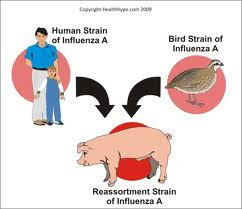
New Delhi: The end of the monsoon season has once again
resulted in a spurt of cases of swine influenza, also knows as swine
flu, across India. Pune is the worse affected city in the country. 226
people were affected by the H1N1 infection killing 9 between June and
September this year. According to reports, four people died in September
alone in Pune.
Swine flu is a respiratory infection. It exploits a weakened immune
system to attack major organs, especially lungs. When it gets into the
lungs, it can lead to pneumonia, which can be fatal. The flu can also
cause secondary infections to the body leading to failure of vital
organs and death.
The whooping cough vaccine is important for pregnant women, mainly
because they can pass on their immunity to their babies, who will be
most at risk in the first couple of months of their life before they are
able to have the vaccine themselves.
Cases of whooping cough were prevalent in the 1950s, when it caused hundreds of deaths a year.
A
vaccine was introduced and was extremely successful, but for reasons
still being investigated, cases have started to rise again.
In Madhya Pradesh, over a hundred persons have tested positive
for swine flu so far, with 19 persons dead so far this year. At Indore, a
lady doctor in Indore was tested positive a week ago for H1N1 virus,
authorities said. In Bhopal alone, the infection has claimed 10 lives.
Indore, Ujjain and Gwalior account for six, two and one deaths
respectively, sources said. Swine flu cases have also been reported from
Chhattisgarh, Rajasthan, Uttar Pradesh, Delhi and other parts of the
country.
The flu virus spreads mainly from person to person through
coughing, sneezing or talking to people with influenza. Its symptoms
include unusual tiredness, severe headache, runny nose, sore throat,
shortness of breath or cough, sudden loss of appetite, aching muscles,
diarrhoea or vomiting. If you have flu-like symptoms, stay at home, get
plenty of rest and use the prescribed pain killers. If flu stays for
three days, see a doctor and undergo H1N1 test.
NAGPUR: A two-year old was taken to the doctor as he was suffering from
fever and coughing continually. The doctor suspected the little one was
suffering from swine flu
and asked the parents to get him tested at a government authorized
centre. The parents hesitated to go to the government hospital and said
they would take a second opinion. Two days later, the child passed away
with the doctor still telling them he was sure it had been suffering
from swine flu.
A woman from a village in Katol consulted a
doctor from the city for a fever that was not subsiding despite
medications. Being weekend, she could not get screened before two days.
So, the doctor gave her some antibiotics. Three days later, the fever
had subsided. City doctors believe that the number of swine flu victims
with the government may be less than the actual incidence of the
disease. They say the similarity of the symptoms to other viral
infections, the increased immunity against H1N1 and delay in going to the government authorized screening centre are among the reasons for this.Pregnant women urged to have flu jab and whooping cough vaccine.
PUNE: The monsoon season saw a gradual rise in the number of swine flu cases and casualties, with September presenting a grim scenario. While 226 people contracted the H1N1
infection and nine people succumbed to it between June and September,
the virus infected 130 people and killed four in September alone.
During Ganesh festival, the district administration and the state
health department had categorically asked people to avoid crowded
places, in view of H1N1's highly contagious nature. But citizens did not
pay heed and moved about without taking any precautions.
"Since
the beginning of October, the virus has infected 28 people and killed
three, including a pregnant woman. Currently, the condition of four more
patients with swine flu, including an eleven-month-old baby, is
critical and they are all on ventilator support,
Doctors have attributed the unexpected surge in swine flu cases in
Pune this month to wide fluctuations in temperature. Cold nights and hot
afternoons help proliferate influenza viruses, they say. More swine flu
cases have been recorded in Pune since the start of this month, causing
concern to both doctors and the general public.
Since April this
year, the virus has claimed 19 lives and infected 391 people. Among the
19 who died of swine flu in Pune city, eight were from outside the
municipal limits of Pune city. As many as 130 people contracted the
infection and six succumbed to the contagion in April. The virus
transmission dropped in May when only six people had caught the
infection and there was no casualty.
Sexual violence has characterised much of the violence perpetuated in Congo. Used as a
tactic of war, the daily violations of women and children by armed
groups have created a climate of fear and a reputation for the DRC as world’s “worst place to be a woman or a child”.
Women from ages “six to eighty” have become victims and one statistic
suggests that over 200,000 women may have been victimized over the past
decade, while another notes that in some regions, as many as 40 women
are raped every day.
However, despite the massive scale of violence against women committed, the level of assistance that victims can expect in the form of medical care
or post-traumatic counseling service is minimal to the point of
non-existence, especially if one considers the fact that only 3
practicing gynecologists serve North Kivu, a province of over 800,000 people. Indeed, most of
the rape shelters in the DRC are operated by foreign or international non-governmental organizations. But despite this intervention by the international community, supply has been insufficient to meet demand.
In addition to psychological and physical trauma, rape victims bear socio-economic costs. For instance, the families of raped women are only paid a dowry
price of 2 goats, if at all, as compared to the typical price of 20
goats. Consequently, raped women are often abandoned by their husbands
whilst raped girls have difficulty marrying. Thus, in the context of the DRC’s patriarchal society,
where women are dependent on men – first their father and later husband
– for economic support, their status as rape victims inevitably affects
their economic well-being.
Various types of edible nuts are legumes like peanuts, seeds like sunflower seeds and pine nuts and drupes like almonds and cashews. some of the most commonly used culinary nuts are acorns, almonds, bread nuts, Brazil nuts, candle nuts, chestnuts, coconuts, cashews kola nuts, peanuts, pine nuts pecans and walnuts,
cashews nuts: cashews have no cholesterol and it is a good diet for body- building. It is an energizing food which helps maintain healthy gums and teeth, Cashew nuts have a high energy density and high amount of dietary fiber, both have been attributed to a beneficial effect on weight management, but only when eaten in moderation. For menopausal women consumption of restricted amount of cashew nuts promotes good naturl sleep at night.
 Peanuts
: Peanuts beat most foods in general when it comes to protein content. In fact, they have such a high protein content and they are widely used as an alternative to meat in many vegetarian recipes. Peanuts have 6.4% dietary fibre content so they are very good for you digestion and your bowels. Many people are surprised to hear that peanuts have a very low salt content. Protein is vital for the growth, maintenance and repair of your body's tissues, and is one of the essential nuts of all life.
Walnuts : One f the best nuts, walnuts may actually increase our brain function. Studies show that consumption of walnuts is related to heart-health. Walnuts are packed with protein, fibre, carbohydrates, vitamins and minerals which are essential for good health.
Chestnuts : Nutritionally, chestnuts are similar to other starchy foods such as sweet potato, sweet corn, potatoes etc. consisting of mainly starch. they also contain high quality protein. Chestnuts, unlike other nuts and seeds, are relatively low in calories, contain less fat but are rich in minerals, vitamins that benefit health. It stands out from other nuts and seeds because of their nutrition contents. They are exceptionally rich in vitamin C.

Almonds : A small handful of almonds give you almost 25% of your daily needs of magnesium, and calcium. Theyare also high in many antioxidants, such as Vitamin E. Studies show that almonds may play an important role in preventing colon cancer due to their high fibre content. It also helps us to lower negative forms of cholesterol in the blood stream. Almonds are a good source of protiens as they are good for hair and skin. As a great source of folic acid,
The state health department to downplay the
incidence of swine flu in Madhya Pradesh, the high mortality rate among
those afflicted by it is actually alarming. Bhopal tops the death toll
with seven out of 28 patients testing positive for H1N1 virus succumbing
during treatment.
In fact, the incharge of swine flu cell at the directorate of health,
Dr KK Thassu, issued a circular some days ago asking people not to be
scared of swine flu as it is no more an epidemic but only an endemic
disease which could be cured through medication. At that time, swine flu
scare seemed to be receding as most of the suspected swine flu patients
were testing negative and those admitted for treatment were responding
well at both government and private hospitals. But in the past few days,
the situation has changed dramatically.
On Saturday, nine out of 11 samples sent for confirmation of swine
flu tested positive, giving a clear indication that the infection was on
the rise and facilities for its treatment grossly inadequate.
Another remarkable aspect of swine flu scare this season is the fact
that a number of doctors are also catching the infection. Two doctors of
LBS Hospital in Bhopal tested positive for swine flu on Monday. In
Jabalpur, two doctors including the dean of Netaji Subhash Chandra Bose
Medical College are being treated for swine flu. Another doctor in the
city, who had tested positive for the disease, has since been
discharged. But to their credit, doctors in Jabalpur have not allowed
any swine flu patient to die though number of persons testing positive
in the confirmation test is more or less the same as Bhopal and Indore
-- 26 to be precise.
In the wake of a growing number of doctors catching the infection,
the directorate of health has made it mandatory for all the doctors and
paramedical staff coming in direct contact with swine flu patients to
get themselves vaccinated.
In Maharashtra, the
situation is worse. Over 1,100 people have tested positive and 68 deaths
reported due to swine flu and there it has been declared an epidemic.
In MP too, the situation is worsening. Climate is also conducive for
growth of H1N1 virus but to say that we are ill-prepared won't be
correct. Had it been so, there would have been more patients and more
casualities,
The chief medical and health officer (CMHO), Dr Pankaj Shukla, the situation was not so bad in Bhopal as it appeared because patients
from all over the state were coming here for treatment. "This season is
conducive for spread of infectious diseases are keeping a tight
leash over the situation and constant monitoring is being carried out.
Breast cancer, detected at any stage, triggers a fear in women
of losing their femininity due to removal of breasts. However, if the
disease is caught early, such fears need not bother women, as they have
the option of undergoing breast conservation surgery.
The father of modern American surgery, who developed radical
mastectomy as a method of treating breast cancer, city chapters of Association of Surgeons of India (ASI) and Academy of Medical Sciences (AMS) organized a meet to discuss latest trends in breast cancer
treatment.
"Radical mastectomy (RM)
entails removal of whole breast with underlying chest muscles and lymph
nodes, which improves chances of survival of a breast cancer victim. It
has been modified, so that the muscles need not be removed. Most
oncosurgeons in the city are using this technique now. It is time we
move a step forward towards more advanced techniques.
With
early detection, there is 100% chance of complete treatment of breast
cancer. It requires one to undergo a small surgery, followed by
radiotherapy. Removal of breasts can be avoided totally without the need
of chemotherapy.
Earlier, there was concern about the damage to lungs or other cells by
radiation, but with the advanced 3-D CRT, this is no longer a danger as
it can help us give uniform and focused dosage of radiation.
"Though we have very little data from India, there is a gradual trend
of early detection of breast cancer in the country. So like in the West,
there is a demand for conserving the breast while treating cancer. The
facilities available in some metros are at par with those in the
developed world.
The team from Cardiff
University's School of Medicine first found that sperm transfers a vital
protein, known as PLC-zeta (PLCz), to the egg
upon fertilisation.
Then it initiates a process called 'egg
activation,' which switches on all the biological processes necessary
for development of an embryo.
The team has found that eggs that don't fertilise because of a defective PLCz, as in some forms of male infertility, can be treated with the active protein to produce egg activation.
The added PLCz kick-starts the fertilisation process and significantly
improves the chance of a successful pregnancy, the journal Fertility.
"We know that some men are infertile
because their sperm fail to activate eggs. Even though their sperm fuses
with the egg, nothing happens , professor at Cardiff,
who with professor Karl Swann, led the team at Cardiff University's
Institute of Molecular and Experimental Medicine and funded by the
Wellcome Trust, according to a Cardiff statement.
"These sperm
may lack a proper functioning version of PLCz, which is essential to
trigger the next stage in becoming pregnant.
"What's important from our research is that we have used human sperm
PLCz to obtain the positive results that we had previously observed only
in experiments with mice.
"In the lab we have been able to prepare human PLCz protein that is active. If this protein is inactive or missing from sperm, it fails to trigger the process necessary for egg activation - the next crucial stage of embryo development.


